
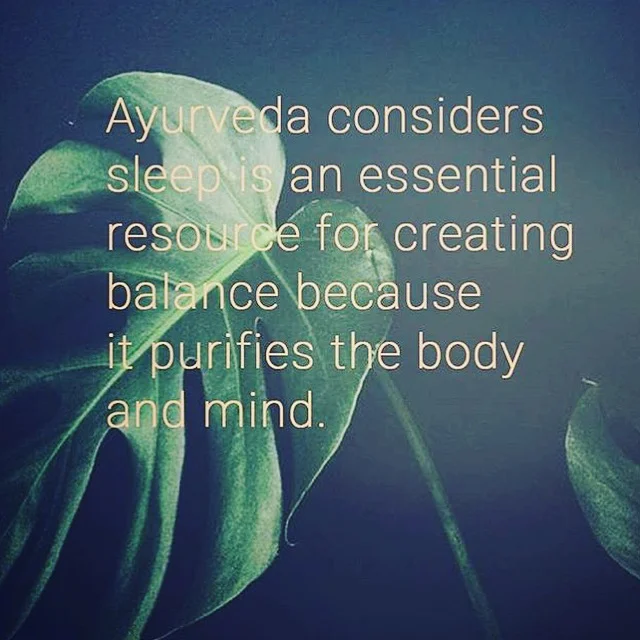
Sweet Dreams and Goodnight Irene
The Science of Sleep and Essential Oils and other wellness practices to support healthy ZZzzzzzz’s.
Western medicine is finally catching up to prove ancient, 5000+ year old Ayurvedic practices! In a long 5000+ year old story short we need sleep and dreams to find balance in our physical, mental, and emotional health. As a child my parents would sing the "Goodnight Irene" lullaby when it was time to "Hit the hay". I would cry and throw fits as I resisted, not wanting to miss out on any of the action. Now, bedtime is my favorite part of the day and I look forward to blissful sleep while dreaming fantastical escapades. Plus tomorrow is always a new day!

Modern Science
What inspired this wellness post on the subject of sleep was an invite from my friend, Anna to attend an intriguing lecture last night hosted by OHSU's Brain Institute as part of a series for “Brain Awareness Week”. Dr. Robert Stickgold, PhD (Associate Professor of Psychiatry, Harvard Medical School Director, Center for Sleep and Cognition Associate Professor, Department of Psychiatry, Beth Israel Deaconess Medical Center ) presented his current work which looks at the nature and function of sleep and dreams from a cognitive neuroscience perspective, with an emphasis on the role of sleep and dreams in memory consolidation and integration, and how defects in these processes contribute to psychiatric disorders, including PTSD and schizophrenia. In other words, prior to this research modern medicine has looked at insomnia as a side effect of these disorders. Dr. Stickgold studies suggests the opposite. Lack of sleep and dreaming could be a contributing factor to the cause of these disorders.Some other points of interest included findings from one of Dr. Stickgold studies where groups of people played the game Tetris. Some of the subjects had severe amnesia w/ zero function of memory recollection yet several reported elements of the tetris game showing up in their sleep/dream state when interviewed right after waking. This helped to give “sense” to what possible action had occurred the day before because certain subjects felt they must have been playing the game.
Lastly, the main highlight from many varies studies all pointed to our performance, recollection, and other skills shooting off the charts after a good night dream and sleep. When regular healthy subjects were time tested on mazes, puzzles and other challenges over and over the results were about the same with a tiny percentage of improvement after having the opportunity to take the test multiple times. Given a nights sleep the same subjects performance had improved up to 50%.
Sadly, as it goes the overall performance of certain cognitive and motor skills are greatly reduced after subjects do not get a night of sleep and dream. This research is especially helpful advocating for better shifts in the workforce like, ER doctors and nurses who are on 24 hour shifts at times.

Cortisol is called the "stress hormone" (often called, "the death hormone.") because it is secreted during times of fear or stress, whenever the body goes into the fight or flight response. It is is made in the adrenals. The general hustle and bustle of society today and the required ass busting it takes just to stay above water taxes the adrenals, producing stress and cortisol levels to skyrocket. In the morning we want cortisol levels to be high, waking us up and giving us the energy to get through the day. Cortisol production should gradually decrease through the day, until it reaches its lowest levels late in the evening ideal for bedtime. However, if cortisol levels do not decrease in the evening, because the stress response is triggered and doesn’t shut off cortisol production, it can affect a peaceful rest, inducing sleep disorders. In addition Cortisol creates chronic to severe inflammation that eventually causes premature aging. Cortisol suppresses another important, DHEA, the "youthing" hormone.
Ancient Ayurvedic Solutions to Promote Sleep
Living a natural lifestyle, with plenty of self-care can greatly support wellness of body and mind. Ancient ayurvedic practices can help reduce stress, support adrenals, regulate cortisol levels and and promote a healthy sleep/dream state. These wellness lifestyle practices include healthy diet (no caffeine/sugar, breathwork (alternate nostril breathing), exercise (yoga practice), meditation, oil massage (Abhyanga), and using adaptogenic herbs as supplements. Russian researcher Professor Israel Brekman established the definition of Adaptogens. They are harmless plants with no side effects. They increase the general capacity of the human body to adapt to stress and they increase resistance to disease. They are not localized to a specific body organ but have a "normalizing" effect (restorative rather than curative) on the imbalances caused by physical or emotional stress.

I personally, sleep soundly at night and have never had an issue w/ insomnia. I also apply these Ayurvedic practices in my life on a daily basis. There are many adaptogens to explore but my main go to source has been using essential oils. There are 98 published medical studies on the subject of essential oils and sleep. Essential Oils are adaptogenic and can be used aromatically, topically, and sometimes internally to bring balance to the body and support a myriad of systems. Find a trusted source to buy EOs because they are not all created equal. I choose a company w/ the highest quality, pure therapeutic grade essential oils. They use rigorous testing criteria, ethical sourcing through a “Co-impact Sourcing initiative”, and are on a bold mission to further the advancement of essential oil useage around the world from hospitals to our own homes through science and education.
Essential Oils
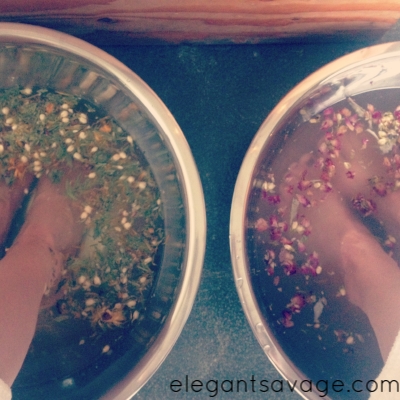
Calming Essential oils like Lavender and Bergamot are rich in linalool and linalyl acetate, compounds that have well-known relaxing properties.Use: Diffuse aromatically in the bedroom to create a peaceful environment, perfect for getting a good night’s sleep. They can also be used topically and to calm the nervous system, promote relaxation, and lead to a restful sleep. Try placing two to four drops of Lavender or Bergamot essential oil in a warm, herbal foot bath and have a nice soak about 30 minutes before going to bed.
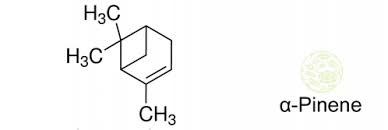
Alpha Pinene, a major constituent of coniferous tree essential oils support Rapid Eye Movement (REM) state during sleep. This is helpful considering nightmares and other night terrors occur during this sleep phase.Use: White Fir, Black Pepper, or Spruce can be used topically on the back of the neck or massage on the bottom of the feet to promote relaxation. Aromatically usage includes placing a few drops on the pillow to support, a deep restful sleep.
Marjoram oil has been associated alleviating panic and may help against snoring.
In conclusion, we are happier, healthier, and maybe even a better version of ourselves from the previous day if we can get a good night’s sleep. There are many natural tools at our fingertips to support us in this process.. Please do not turn to big Pharma which have a plethora of terrible side effects and can cause more harm than good.
Reference:
Forsch Komplementmed. 2015;22(1):43-9. doi: 10.1159/000380989. Epub 2015 Feb 19: Effects of bergamot ( Citrus bergamia (Risso) Wright & Arn.) essential oil aromatherapy on mood states, parasympathetic nervous system activity, and salivary cortisol levels in 41 healthy females. Watanabe E1, Kuchta K, Kimura M, Rauwald HW, Kamei T, Imanishi J. https://www.ncbi.nlm.nih.gov/pubmed/25824404
α-Pinene, a Major Constituent of Pine Tree Oils, Enhances Non-Rapid Eye Movement Sleep in Mice through GABAA-benzodiazepine Receptors. Yang H, Woo J, Pae AN, Um MY, Cho NC, Park KD, Yoon M, Kim J, Lee CJ, Cho S. Mol Pharmacol. 2016 Nov;90(5):530-539. Epub 2016 Aug 29. PMID: 27573669
Nurses experience of aromatherapy use with dementia patients experiencing disturbed sleep patterns. An action research project. Johannessen B. Complement Ther Clin Pract. 2013 Nov;19(4):209-13. doi: 10.1016/j.ctcp.2013.01.003. Epub 2013 Aug 17. PMID:24199975 https://www.ncbi.nlm.nih.gov/pubmed/24199975
98 other published research articles on sleep and essential oils: https://www.ncbi.nlm.nih.gov/pubmed?term=sleep+essential+oils&cmd=DetailsSearch
OHSU Lecture Series for Brain Awareness 2017 /Dr. Robert Stickgold PhD https://www.ohsu.edu/xd/health/services/brain/in-community/brain-awareness/lectures-events/sleep-memory.cfm

Just sleeping like a log. Don't even mind a husky on my head after an essential oil treatment to promote blissful sleep.
Desert Flower
I love so many things about the desert. The sky is incredible if you have ever caught a brazen sunset or admired the beauty of gazing at the sparkling celestial night. There is so much healing to be had from the empowering Sun, which I love upon my face to the mystic exotic landscape of plants including cacti, succulents, or a rare, budding, desert flower. The desert regions are rich with indigenous culture which through art and ceremony connect the past to the present.
“If you sing of beauty though alone in the heart of the desert you will have an audience”

Agave
The most common desert plant agave, is used to to make tequila. Agave is a family of succulents distantly related to the lily family, but not related to any cactus. Also called a maguey. The plants grow in the southwestern United States, Mexico and Central America. Agave is poisonous when raw, but has a sweet, mild flavour when baked or made into a syrup. The juice of the blue agave, cultivated primarily in the state of Jalisco, is used to make tequila; other agave species are used to make mezcal, bacanora, sotol, and pulque. There are more than 300 agave species. An agave plant takes eight to 12 years to mature. The plant has a bulbous body called a pina. The thick, spiny blue-green leaves extend six-eight feet at all angles like spears. Mexican law (see normas) state a product must contains at least 51% blue agave sugars to be called tequila. Because of the shape of the agave leaves are similar to the outstretched fingers of a human hand, prehispanic Mexican Indians called the plant "metal" or "metal" which means "hand."
Essential oils
Some other plants from arid regions to note which I daily use in the form of essential oils for self care include:
Juniper Berry - Acts as a cleansing and detox agent. May benefit problematic skin. Supports healthy kidney function. Helps relieve tension and stress.
Lavender - Eases muscle tension. Helps skin recover quickly. Used for its calming qualities.
Melaleuca - Renowned for it's rejuvenating effect on the skin. Promotes healthy immune function. Protects against environmental threats.
Rosemary - Supports healthy digestion. soothes muscles aches and pains. Helps reduce nervous tension and fatigue.
Cypress - Assists with clear breathing. Soothes tension. Supports localized blood flow. Beneficial for oily skin.
If you would like to learn more about the therapeutic benefits of essential oils please private message me or request info here...http://elegantsavage.us10.list-manage1.com/subscribe?u=9f46478e61d16e521c349dd18&id=aaec29a2b0
DIY Recipe


My own collection of succulents
Earthships
are 100% sustainable homes that are both cheap to build because they are made out of recycled materials. They can provide free food! Each Earthship is outfitted with a greenhouse that grow crops year-round, no matter the climate. This means you can feed yourself with only the plants growing inside of your house. The entire roof of the Earthship funnels rain water to a cistern, which then pumps it to sinks and showers when required. “Grey water” is used to water the plants. What is super cool about an Earthship is their ability to sustain comfortable temperatures year round. Check out more details here: http://www.highexistence.com/10-reasons-why-earthships-are-fing-awesome/

Indigenous Culture:
The desert regions throughout the world are rich with indigenous culture and tribes that are still alive and well today. Thanks to these people traditions of ceremony, storytelling, medicine, agriculture, and the arts have been practiced, passed down, and preserved through the ages. There are many lessons rooted in history and ancient wisdom here to be honored and considered sacred. The Zuni tribe in the New Mexico region of the US have lived in the American Southwest for thousands of years. Their cultural and religious traditions are rooted, in large part, in the people's deep and close ties to the mountains, forests, and deserts of this ancient Zuni homeland. Primarily being farmers, the Zuni raise maize and wheat and engage in Jewelry making. It has become an important additional source of income for the people.
One way the Zuni people express these cultural traditions is through their art. Check out this ceremonial dance:
Sungazing
Sungazing is an ancient practice also known as sun eating. It is a strict regimen of gradually allowing sunlight into your eyes at specific periods of the day. The goal when implementing the practice is to look into the sun at periods of the lowest ultraviolet-index which occur at sunrise and sunset each day. In essence, sun gazing provides beneficial stimulation to the body. The process itself negates the body’s innate need for food and retrains it to run on the energy of the sun. As such, the process helps increase energy, clarity of thinking, and overall health. NASA research suggested that the process could make an individual maintain a level of health that was far better in comparison to other individuals of the same age.
The process has also been shown as an effective treatment for specific conditions. Melanoma, non-hodgkin’s lymphoma, and a number of other cancers benefit from the treatment. Likewise, the increased vitamin D gained from the process is a known healing agent.

